
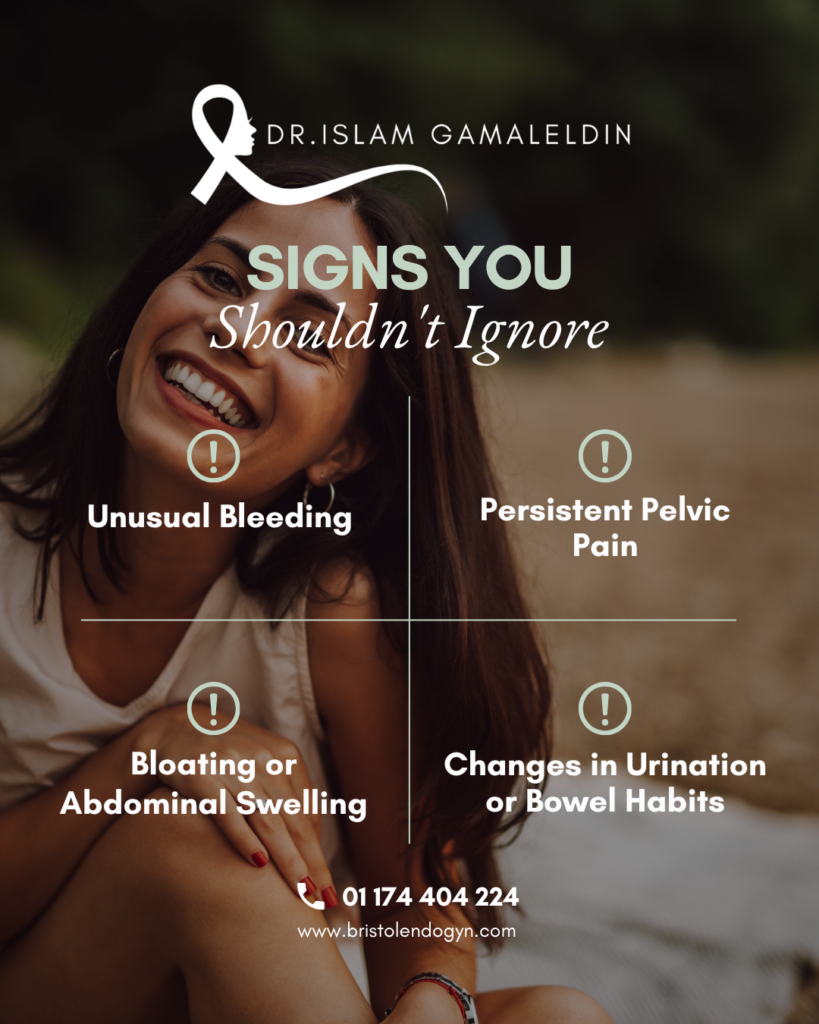
Signs You Shouldn’t Ignore: Understanding Common Gynaecological Symptoms
Women often dismiss symptoms such as pelvic discomfort, bloating, or irregular bleeding as part of everyday life. However, persistent or unusual symptoms may indicate an underlying gynaecological condition that requires specialist assessment.
Recognising the early signs of gynaecological problems is important for timely diagnosis, effective treatment, and protecting long-term reproductive and overall health.
Unusual Bleeding
Abnormal or unusual bleeding is one of the most common warning signs in gynaecology.
This may include:
- Heavy menstrual bleeding
- Bleeding between periods
- Bleeding after menopause
- Very painful periods
- Irregular menstrual cycles
While hormonal changes can sometimes explain these symptoms, unusual bleeding may also be linked to conditions such as fibroids, endometriosis, adenomyosis, polyps, or ovarian disorders.
If bleeding patterns suddenly change or begin affecting your daily life, medical evaluation is recommended.
Persistent Pelvic Pain
Ongoing pelvic pain should never be ignored.
Pelvic pain may present as:
- Constant lower abdominal discomfort
- Severe period pain
- Pain during intercourse
- Lower back pain
- Pain that worsens over time
Persistent pain can significantly affect quality of life and may be associated with endometriosis, pelvic inflammatory disease, ovarian cysts, or other chronic pelvic conditions.
Early diagnosis is important because many women experience delays in identifying the underlying cause of chronic pelvic pain.
Bloating or Abdominal Swelling
Frequent bloating or abdominal swelling is often overlooked, especially when symptoms are intermittent.
However, persistent bloating may indicate:
- Ovarian cysts
- Fibroids
- Endometriosis
- Gastrointestinal involvement related to pelvic disease
- Ovarian pathology
When bloating becomes persistent, painful, or associated with changes in appetite or weight, further investigation may be necessary.
Changes in Urination or Bowel Habits
Changes in bladder or bowel function may also be linked to gynaecological conditions.
Symptoms can include:
- Increased urinary frequency
- Pain when urinating
- Constipation
- Painful bowel movements
- Bowel changes during menstruation
These symptoms are commonly seen in women with advanced endometriosis, particularly when the disease affects the bowel, bladder, or surrounding pelvic structures.
The Importance of Early Diagnosis
Many gynaecological conditions can worsen over time if left untreated. Early assessment allows for more accurate diagnosis and access to a wider range of treatment options.
Modern gynaecology increasingly focuses on minimally invasive approaches, including laparoscopic and robotic-assisted surgery, which may support:
- Smaller incisions
- Reduced postoperative discomfort
- Faster recovery
- Improved surgical precision
- Better management of complex pelvic disease
When to Seek Specialist Advice
If symptoms persist, worsen, or begin interfering with daily activities, it is important to seek medical advice from a specialist in gynaecology.
Every woman’s experience is different, and personalised assessment is essential to determine the underlying cause and the most appropriate treatment plan.
Final Thoughts
Listening to your body and recognising the signs of gynaecological problems can make a significant difference in long-term health and wellbeing.
Symptoms such as unusual bleeding, pelvic pain, bloating, or changes in urinary and bowel habits should not be ignored. Early diagnosis and specialist care can help improve outcomes and support better quality of life.