
Adenomyosis: When Painful Periods Are More Than “Just Your Cycle”

Mar 27, 2026

Struggling with heavy periods and intense cramps? It might be more than just your cycle. Many women silently endure painful menstruation, not realizing it could be a medical condition called adenomyosis.

Understanding adenomyosis is the first step toward finding relief and improving your quality of life.


What Is Adenomyosis?

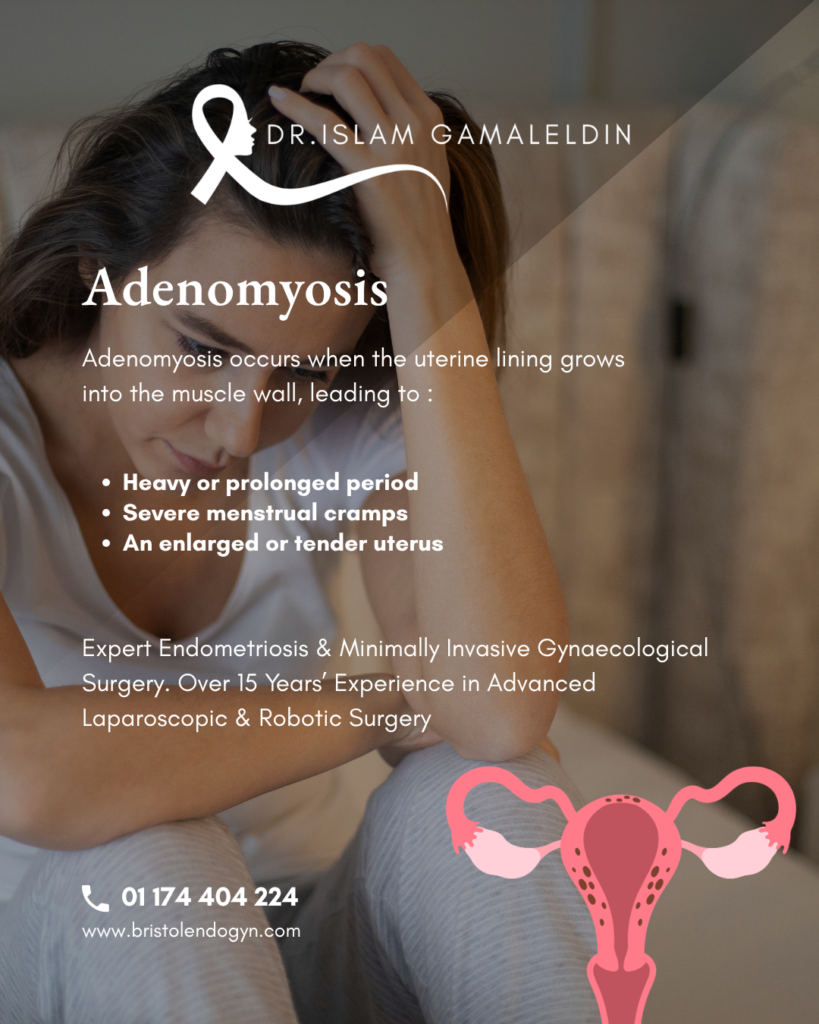
Adenomyosis is a condition where the inner lining of the uterus (the endometrium) grows into the muscular wall of the uterus. This can cause the uterus to become enlarged and lead to painful and heavy periods.

Although it is a common condition, it is often underdiagnosed or mistaken for other gynecological issues.


What Causes Adenomyosis?

The exact cause of adenomyosis is not fully understood, but several factors may contribute:

  • Hormonal changes (especially estrogen)
  • Previous uterine surgery (such as C-sections)
  • Childbirth-related inflammation
  • Invasion of endometrial tissue into the uterine muscle
  • Age (most common in women aged 30–50)

Common Symptoms of Adenomyosis

Symptoms can vary from mild to severe. Some women may not experience any symptoms at all.

The most common signs include:

  • Heavy or prolonged menstrual bleeding
  • Severe menstrual cramps (dysmenorrhea)
  • Chronic pelvic pain
  • Pain during intercourse
  • Passing blood clots during periods
  • Bloating or pressure in the lower abdomen

If these symptoms are affecting your daily life, it’s important to seek medical advice.


When Should You See a Doctor?

You should consult a specialist if you experience:

  • Periods that interfere with your daily activities
  • Increasing pain over time
  • Heavy bleeding requiring frequent pad/tampon changes
  • Symptoms that do not improve with over-the-counter pain relief

Early diagnosis can help prevent worsening symptoms and improve treatment outcomes.


How Is Adenomyosis Diagnosed?

Diagnosis may involve:

  • Detailed medical history
  • Pelvic examination
  • Ultrasound imaging
  • MRI (in more complex cases)

Because symptoms can overlap with conditions like fibroids or endometriosis, proper evaluation is essential.


Treatment Options for Adenomyosis

Treatment depends on the severity of symptoms, age, and future fertility plans.

Non-Surgical Treatments

  • Anti-inflammatory medications (for pain relief)
  • Hormonal therapies (such as birth control or IUD)
  • Lifestyle adjustments

Surgical Options

  • Minimally invasive procedures
  • Uterine-sparing treatments
  • Hysterectomy (in severe cases and when no future pregnancy is desired)

A personalized approach is key to achieving the best outcome.


Living With Adenomyosis

Living with adenomyosis can be challenging, but the right support and treatment can make a significant difference. Listening to your body and seeking professional advice early can help you regain control over your health and well-being.


Book an Appointment

If you are experiencing heavy periods or severe cramps, don’t ignore the signs.

📞 01 174 404 224
🌐 www.bristolendogyn.com
📍 Spire Bristol Hospital, The Glen, Redland Hill, Redland, Bristol BS6 6UT, United Kingdom

Take the first step toward relief and better well-being today.

Period Pain Isn’t Normal: When to Seek Help for Menstrual Pain

Many women are told that painful periods are simply part of life. While mild discomfort can happen during menstruation, severe or persistent period pain should never be ignored. Pain that disrupts your daily life may be a sign of an underlying gynecological condition...

Uterine Fibroids: Symptoms, Causes & Treatment Options

Uterine fibroids are a common condition affecting many women, especially during their reproductive years. Although uterine fibroids are non-cancerous, they can cause a variety of symptoms that may impact daily life and fertility. In this article, we explain what...

Ovarian Cysts: Everything You Need to Know

Ovarian cysts are more common than many women realize. In most cases, they are harmless and resolve on their own without treatment. However, understanding what they are and recognizing potential symptoms is essential for maintaining good reproductive health. What Are...

Cervical Insufficiency: Causes, Symptoms, Diagnosis and Treatment

What Is Cervical Insufficiency? Cervical insufficiency, also called incompetent cervix, occurs when the cervix begins to shorten, weaken, or open too early during pregnancy without contractions or pain. This condition can increase the risk of miscarriage or premature...

Diaphragmatic Endometriosis: Symptoms, Diagnosis & Surgical Treatment

Diaphragmatic endometriosis is a rare form of endometriosis that affects the diaphragm — the muscle that separates the chest from the abdomen and plays a key role in breathing. Because symptoms often mimic other conditions, diagnosis can be delayed. Early recognition...

Severe Period Pain: When It Could Be Endometriosis

Many women are told that severe period pain is “just part of being a woman.” It isn’t. While mild menstrual discomfort can be common, severe period pain that disrupts work, study, sleep, or daily life is not normal. In many cases, persistent and debilitating menstrual...

Dr. Islam Gamaleldin – Expert, Compassionate Care

I am a Consultant Gynaecologist and Co-Lead at the BSGE-accredited Endometriosis Centre at Southmead Hospital. With over 15 years of experience in advanced laparoscopic and robotic surgery, I provide specialist care for women with complex endometriosis and benign...

Endometriosis Specialist in Bristol – Advanced Minimally Invasive Care

Living with endometriosis can be physically and emotionally exhausting. As an endometriosis specialist in Bristol, I provide personalised, precise and minimally invasive treatment tailored to each patient’s needs. With over 15 years of experience in advanced...

Advanced Minimally Invasive Gynaecological Surgery

Advances in minimally invasive and robotic gynaecological surgery have significantly improved outcomes for women with complex pelvic conditions. These techniques allow for greater surgical precision, reduced pain, faster recovery, and a quicker return to daily life,...

Ovarian Cysts: Symptoms, Causes, and When to Seek Medical Advice

Ovarian cysts are fluid-filled sacs that develop in or on an ovary. They are very common and, in most cases, harmless, often resolving on their own without treatment. However, some ovarian cysts can cause discomfort or complications and should be properly assessed by...