
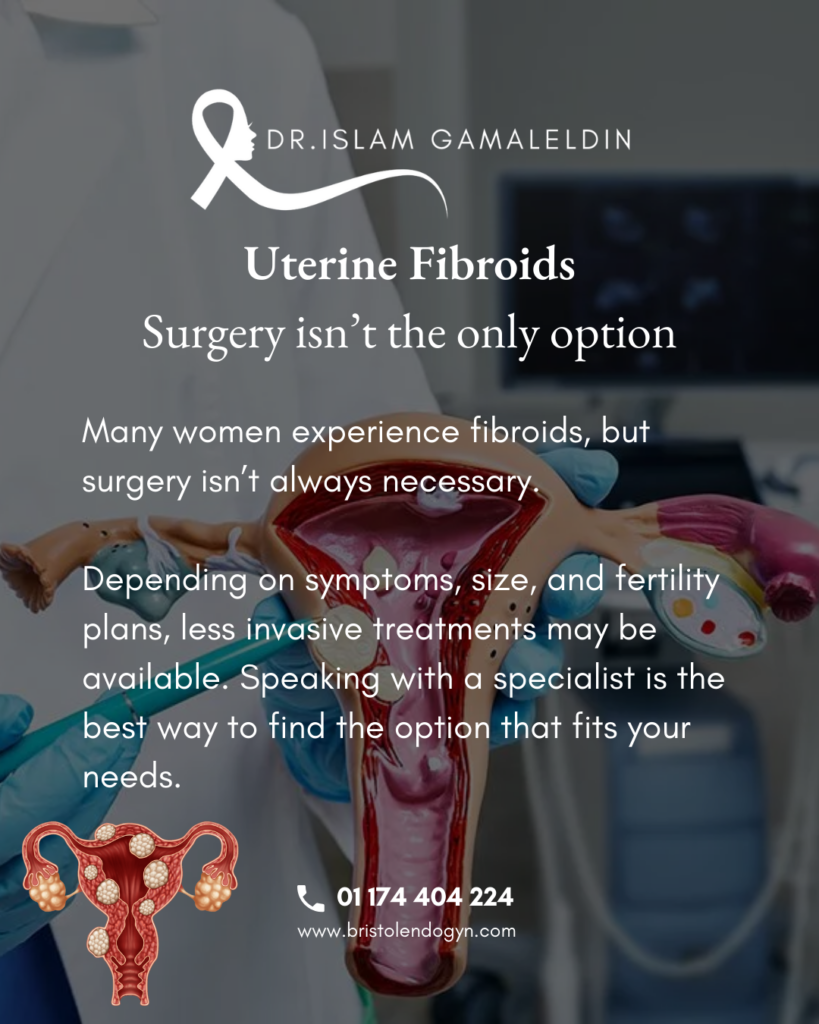
Uterine fibroids are noncancerous growths in the uterus that affect many women during their reproductive years. While surgery is often seen as the primary solution, it isn’t the only option. Understanding alternative treatments can help manage symptoms and improve quality of life.
What Are Uterine Fibroids?
Fibroids are benign tumors that develop from the muscular tissue of the uterus. They can vary in size, number, and location. Common symptoms include:
- Heavy menstrual bleeding
- Pelvic pressure or pain
- Frequent urination
- Back or leg pain
- Fertility challenges in some cases
Not all fibroids require treatment. Many women with small, asymptomatic fibroids can monitor them without intervention.
Non-Surgical Treatment Options
- Medications:
- Hormonal therapies, such as birth control pills or progesterone-releasing IUDs, can help regulate periods and reduce bleeding.
- Gonadotropin-releasing hormone (GnRH) agonists may shrink fibroids temporarily.
- Non-hormonal medications can help relieve pain and reduce heavy bleeding.
- Minimally Invasive Procedures:
- Uterine artery embolization (UAE): Blocks blood flow to fibroids, causing them to shrink.
- MRI-guided focused ultrasound: Uses high-frequency ultrasound waves to destroy fibroid tissue.
- Lifestyle and Home Approaches:
- Maintaining a healthy weight and exercising regularly may help manage symptoms.
- Dietary adjustments, including reducing red meat and increasing fruits and vegetables, can support overall uterine health.
When Is Surgery Necessary?
Surgery may be recommended for women with:
- Very large fibroids causing significant pain or pressure
- Fibroids affecting fertility or pregnancy
- Fibroids that do not respond to other treatments
Surgical options include myomectomy (removal of fibroids while preserving the uterus) or hysterectomy (removal of the uterus). Your doctor can help determine the best approach based on your symptoms, age, and reproductive plans.
Conclusion
Uterine fibroids don’t always mean surgery. Many effective non-surgical options exist, from medications to minimally invasive procedures. Early diagnosis and personalized treatment can help manage symptoms, improve comfort, and preserve fertility when needed.