
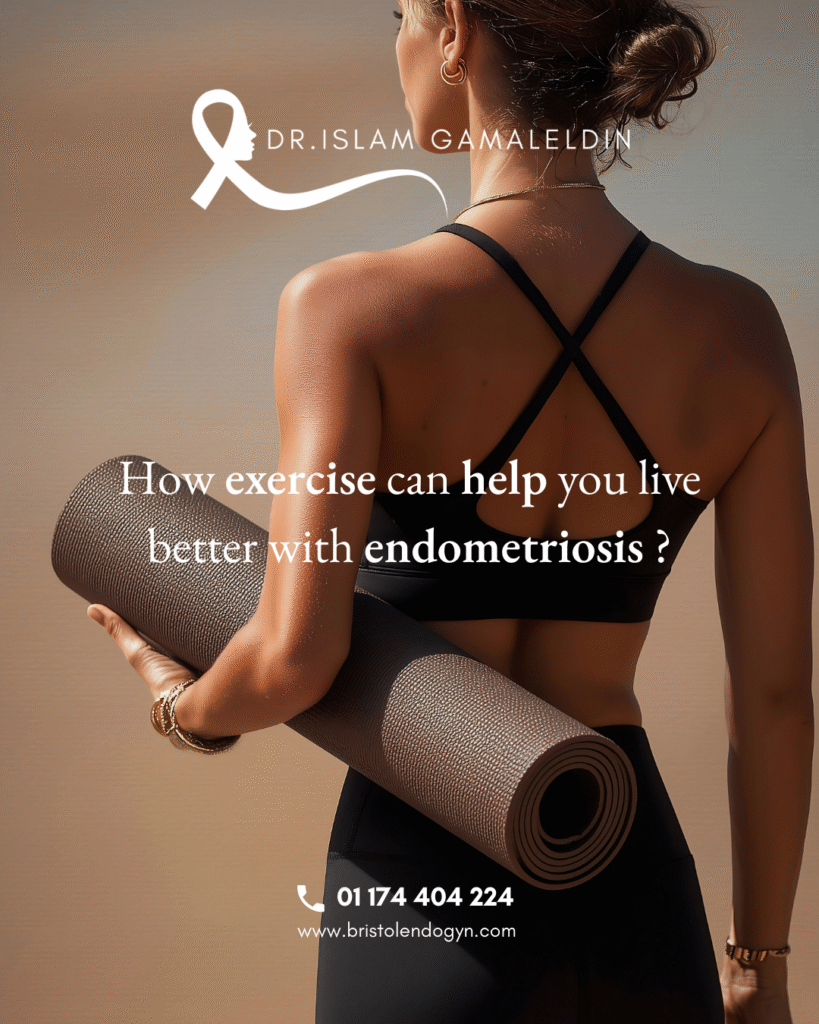
Endometriosis is a chronic condition that affects around one in ten women during their reproductive years. Characterised by the presence of tissue similar to the uterine lining growing outside the uterus, it can lead to persistent pelvic pain, debilitating fatigue, and fertility challenges. While medical and surgical treatments remain central to care, increasing attention is being given to the role of lifestyle measures—particularly physical activity—in supporting symptom management and overall wellbeing.
How Exercise Interacts with Endometriosis
Research over the past decade suggests that regular, moderate exercise may positively influence several biological mechanisms involved in endometriosis. Physical activity has been shown to help regulate inflammatory pathways and hormonal balance, both of which play a key role in symptom severity. Elevated oestrogen levels and chronic inflammation are commonly observed in women with endometriosis, and consistent aerobic movement may help counteract these effects by improving metabolic and immune regulation.
Rather than acting as a treatment on its own, exercise should be viewed as a supportive tool that works alongside medical care to improve daily functioning and long-term health.
Why Low-Impact Movement Matters
For many women living with endometriosis, pain and exhaustion can make exercise feel overwhelming or even unrealistic. However, complete inactivity may contribute to muscle stiffness, reduced mobility, and increased discomfort over time. Gentle, low-impact activities—such as walking, yoga, pilates, or stretching-based routines—can be particularly beneficial.
These forms of movement may improve blood flow, support pelvic and core muscles, and reduce tension in the lower back and pelvic region. When adapted to the individual’s tolerance and symptoms, low-impact exercise can help improve pain control and enhance quality of life without exacerbating flare-ups.
Supporting Mental and Emotional Wellbeing
Endometriosis does not only affect the body; it can also have a profound psychological impact. Living with chronic pain, uncertainty, and potential fertility concerns places many women at higher risk of anxiety, low mood, and emotional fatigue. Regular physical activity is well recognised as a powerful, non-pharmacological way to support mental health.
Even gentle movement can stimulate endorphin release, improve sleep quality, and foster a greater sense of control over one’s body—factors that are particularly important for women managing a long-term condition like endometriosis.
A Personalised, Holistic Approach
As a clinician, I believe strongly in personalised, evidence-based care. Exercise is not a cure for endometriosis, but when thoughtfully integrated into a broader treatment plan, it can be a valuable component of holistic management. Each woman’s experience of endometriosis is unique, and recommendations should always be tailored to symptom severity, lifestyle, and medical history.
A comprehensive approach may include medical treatment, surgical intervention when indicated, pelvic physiotherapy, lifestyle guidance, and carefully selected movement strategies designed to support recovery and long-term wellbeing.
Moving Forward Safely
Women experiencing significant pain, fatigue, or recent symptom changes should always seek medical advice before starting or modifying an exercise programme. With appropriate guidance, even small amounts of regular, low-impact movement can lead to meaningful improvements in physical comfort, emotional resilience, and overall quality of life.